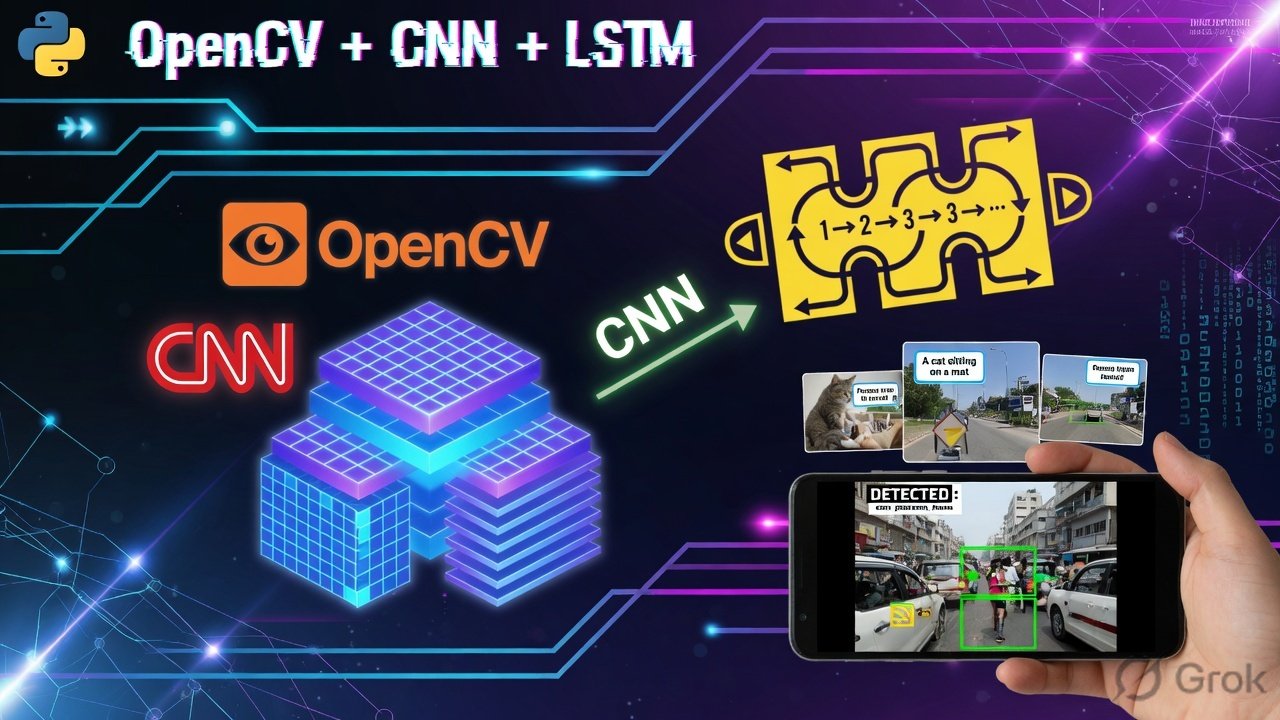
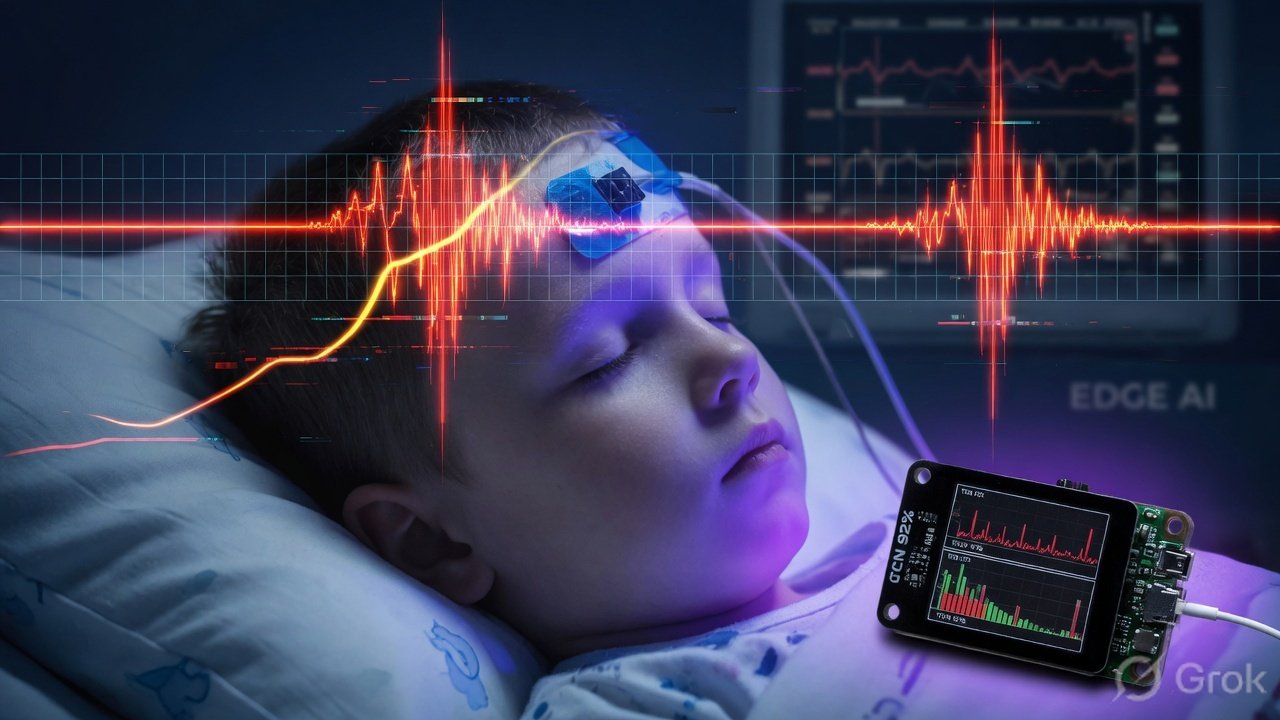
Even this type of long-haul driving occurs on highways, resulting in numerous crashes on its part. Nearly all of the latest tools monitor the face and/or man body signals individually, but that isn't always efficient when the setting modifications. However, what this study does instead is to create an integrated system using camera footage alongside real-time health sensors for the purpose of more readily identifying signs of tiredness. Cameras register eyes closed, frequency of blinks, mouth opening during a yawn, as well as head-directing position. Oh, and don't forget that heartbeat changes, blood flow adjustments and sweating responses are measured as well. Patterns extracted from images are fed into layers of neurons that can detect shapes, and another network of neurons learns how time unfolds over the course of seconds, to gauge drowsiness. Three phases emerge - wake up, declining attention, collapse; not assumptions, but multi-layered conclusions. Results are not caused by individual clues but filamentous. The timing shifts help maintain accuracy but when there is sudden change in light or rapid movement of lights or slight change in bodies, the setups simultaneously check eye signs as well as body stress signs. Computations are performed locally, reducing delays and warnings become available rapidly even in low bandwidth situations, right inside the device. According to tests, this comb of inputs is able to detect tiredness 95% of the time, outperforming the performance of previous methods that monitored one type of input signal. Rather than merely giving out static pop-up alarms, it creates a ‘real-time attention score' for drivers, which allows cars to determine what alerts to pay attention to at the moment. It is designed to be expanding and requires low electricity consumption and can propel future vehicles, smart transformers and more intelligent roads.
Keywords : Driver Fatigue Detection, Computer Vision, Biometric Monitoring, CNN, LSTM, Edge Computing.
Authors : Bharat Kumar Chigilipalli , VenkataRamana Guntreddi
Title : Multi - Modal Driver Fatigue Detection Using Computer Vision And Biometric Sensor Fusion
Volume/Issue : 2026;3(1 ( January - March ))
Page No : 19 - 26

 ISSUE: Volume 3 (2026) , Issue 1 ( January - March )
 Cover Page



 Manuscript Status