
Machine learning systems in the brain signal processing field of electroencephalography (EEG) have established a good performance in neural signal analysis, emotion recognition systems, seizure detection and brain-computer interface (BCI). One major difficulty that needs to be addressed in real-world applications is that models derived from one EEG dataset will generally suffer a large drop in performance if tested on a different one, as a result of differences in equipment participating in the recordings, electrode placement, subject and demographic differences, environmental noise and individual subject variability. This paper introduces a new hybrid cross-dataset quantum domain adaptation (QDA) framework that combines covariance-based feature extraction, manifold projection, adversarial maximum mean discrepancy (MMD) domain alignment and parametric quantum kernel learning with parameterized quantum circuits. The experimental results validate that the proposed framework can attain 97.8% classification accuracy, which exceeds the accuracy of conventional CNN (89.2%), CNN-QSVM (92.4%), and Transformer (94.6%) models. It also enhances accuracy across all the metrics like precision, recall, and F1-score.
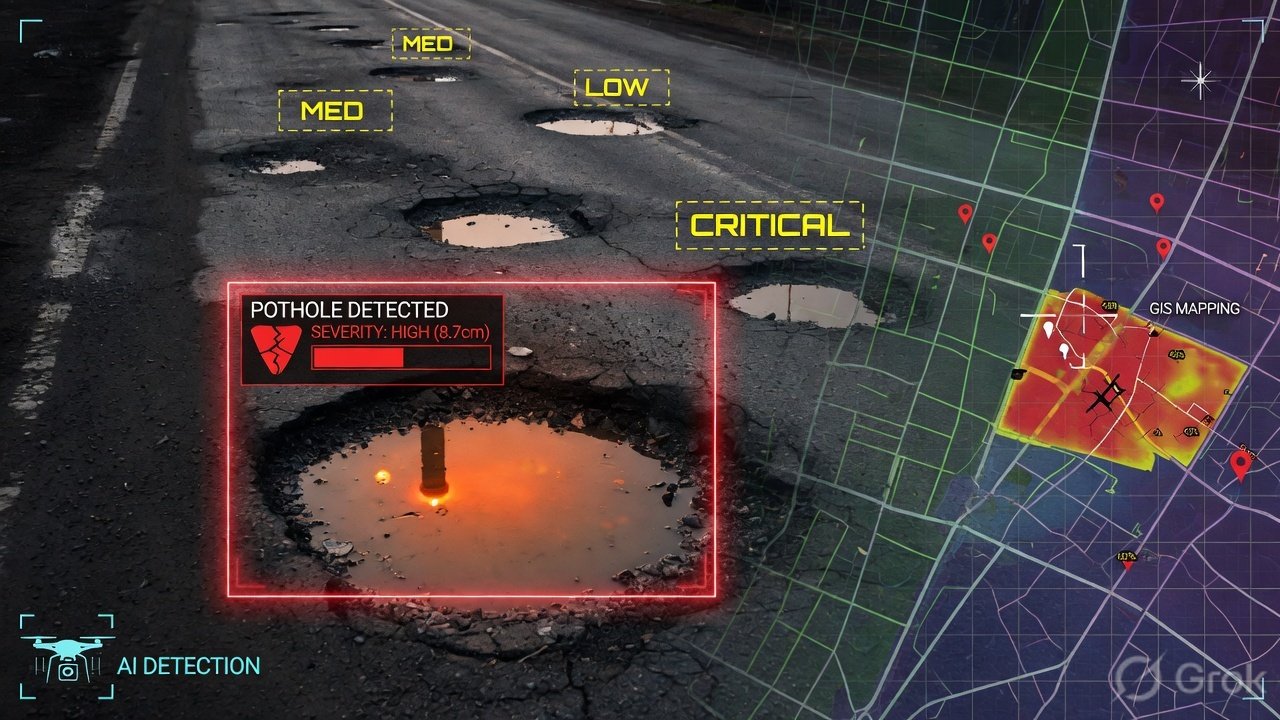
The condition of road infrastructure is dynamic, constantly changing, and vital to ensure the safety...
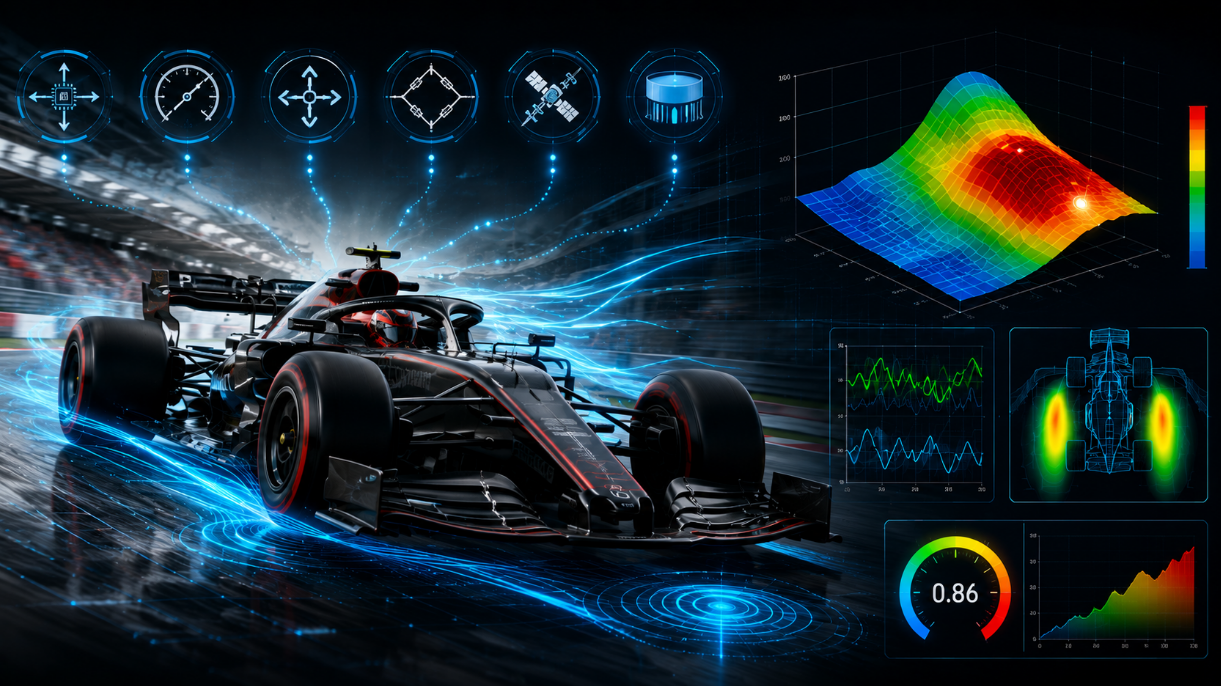
Even this type of long-haul driving occurs on highways, resulting in numerous crashes on its part. N...
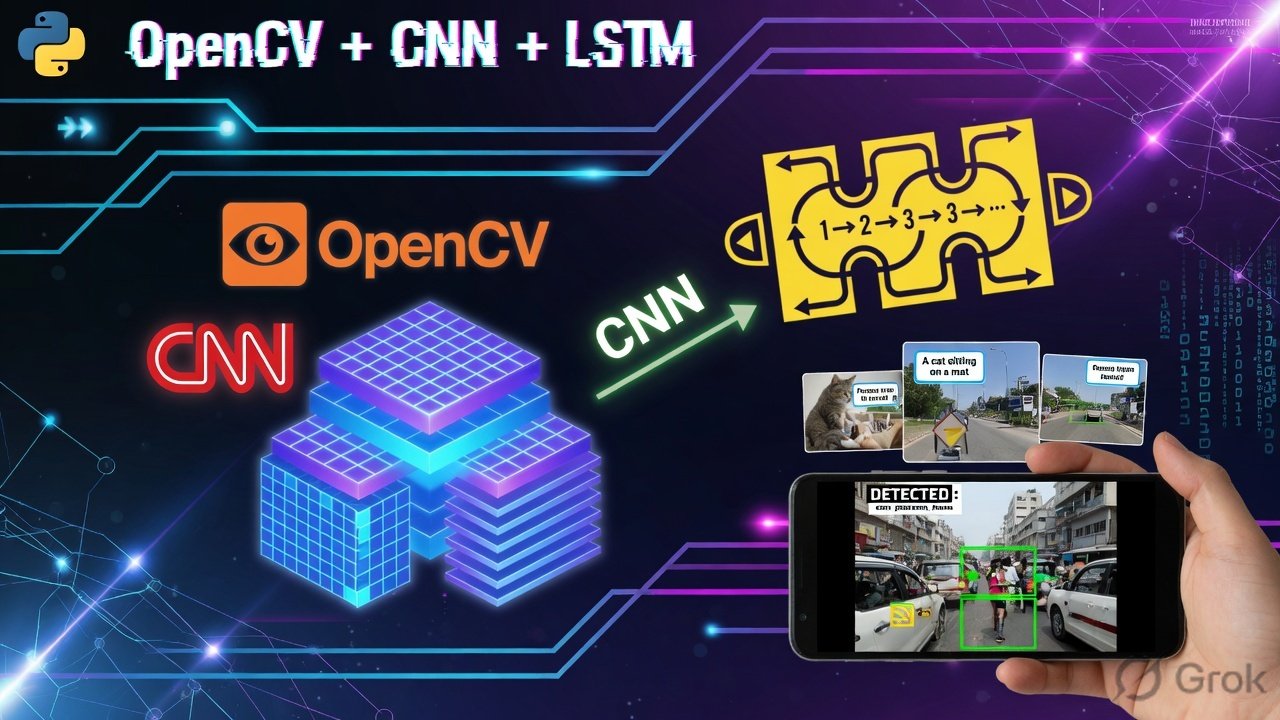
Image captioning is one of the most important domains in human-computer interaction that generates a...
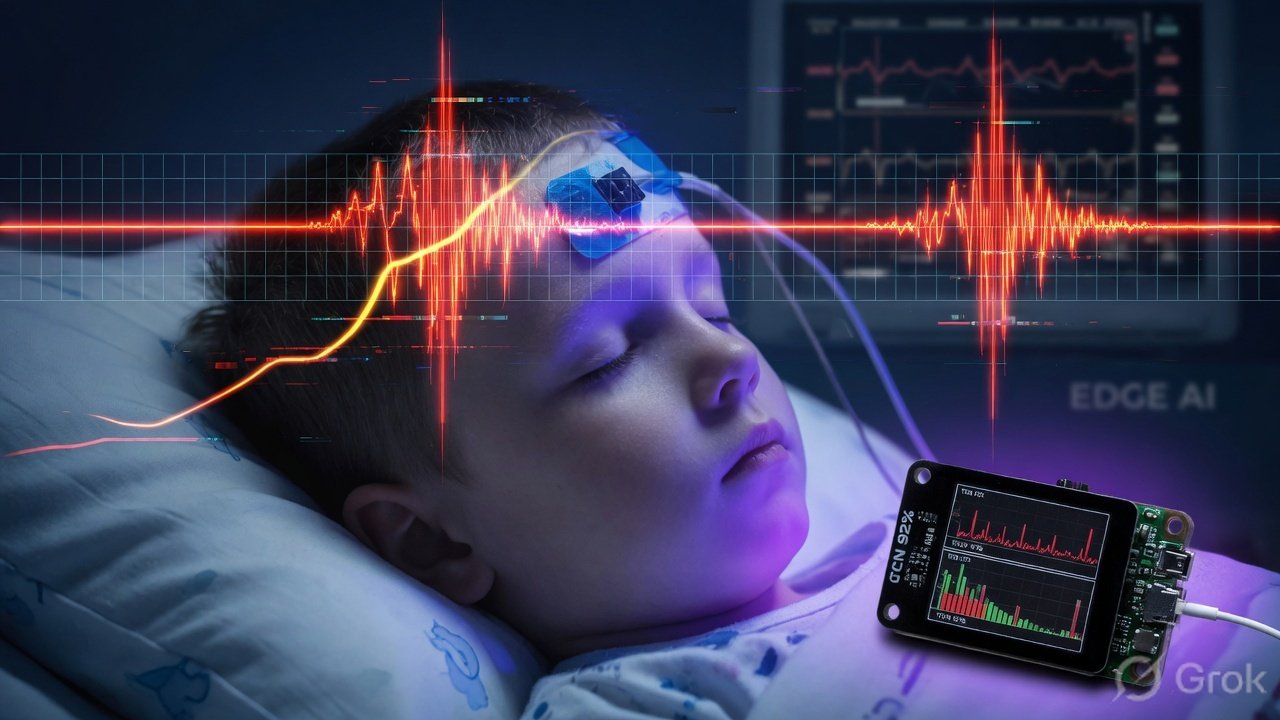
Epilepsy among children is one of the most common neurological conditions with a need for ongoing mo...